


Moving House in Winter: 9 Expert Tips to Winter-Proof Your Move (2025 Guide)
Moving house in winter isn’t usually anyone’s dream scenario. Shorter days, unpredictable weather and slippery pathways can make the whole process feel tougher than it needs to be.
Yet thousands of people across the UK relocate between November and February every year.
And with the right preparation, a winter house move can be just as smooth as one carried out in the height of summer.
At GoodMove, our teams manage cold-weather relocations across Essex, Suffolk and beyond throughout the winter months.
Here’s our 2025 guide to keeping your move safe, efficient and comfortably warm — whatever the forecast has in store.
Table of Contents
1. Make the Most of Daylight Hours

In the winter months, daylight is your most valuable resource.
By mid-December, it’s dark before 4 pm, and moving heavy furniture when visibility drops isn’t just awkward — it can be unsafe.
Aim to start your move as early in the morning as possible so the bulk of the lifting and loading happens while there’s natural light.
Quick Check: Test the outside lighting at both properties a few days before moving. A simple bulb change can prevent a lot of fumbling around in the dark.
2. Protect Your Flooring (and Your Carpets)
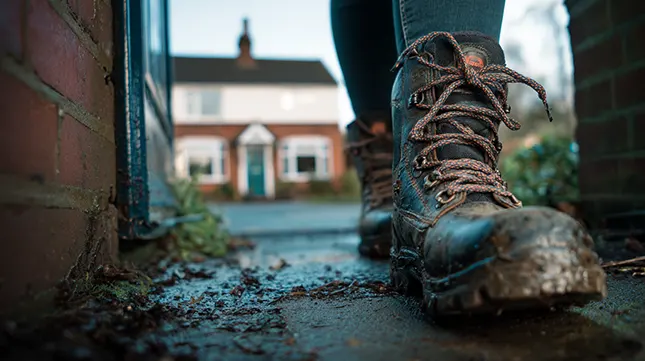
Rain, mud, wet leaves and grit are all part of the British winter — and they quickly find their way indoors during a house move.
Professional movers will usually lay protective floor runners in hallways and stairways.
If you’re handling parts of the move yourself or have tradespeople popping in and out, put down flattened cardboard or plastic sheeting.
Creating a “shoes off” zone near the front door helps contain the mess.
3. Give Your New Home a Warm Welcome
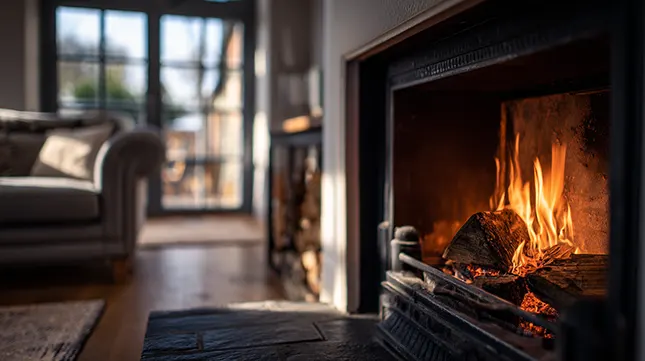
Stepping into a freezing house after a long day is nobody’s idea of comfort.
When a property has been empty for a while, it will hold the cold.
If you have early access to the keys, set the heating to come on a few hours before the removal van arrives.
If that isn’t possible, ask the sellers whether they can leave the heating on a low timer.
Once you arrive, locate the boiler controls immediately so the house can start warming while you unload.
4. Keep an Eye on the Weather — and Have a Backup Plan

The British winter has a talent for surprising even the most optimistic mover. A crisp morning can turn into torrential rain by lunchtime.
Check the Met Office forecast throughout the week leading up to your move.
If ice or snow is expected:
Salt your driveway and the path to the front door. This protects you and ensures the moving crew can work safely.
If heavy rain is on the cards:
Your moving team can adapt. We may use additional protective wraps or position the vehicle closer to the entrance. A quick call to your move coordinator ensures the plan can be adjusted long before the weather acts up.
5. Pack with Damp Conditions in Mind

Cardboard boxes are great — until they get wet. A soaked box can weaken within minutes.
- Double-tape the bottom of boxes for extra reinforcement.
- Use plastic storage tubs for bedding, towels, and items you really don’t want to get damp.
- Protect electronics: Sudden temperature changes can cause condensation inside TVs and computers. Wrap them well and let them adjust to room temperature for an hour or two before switching them on.
6. Build a Winter Survival Kit

Your essential items become even more important during a winter move. If traffic delays the van or the key handover runs late, staying warm and comfortable can make all the difference.
Keep a small bag in your own car containing:
- A thermos of hot tea or coffee
- High-energy snacks
- Phone chargers
- Torches (perfect for meter readings in dark cupboards)
- A warm jumper and thick socks
- Toilet roll and hand soap
You’ll be glad to have these to hand if timings slip.
7. Sort Utilities and Connectivity Early

Losing heating or hot water isn’t merely inconvenient in winter, it’s a real problem.
Notify your utility providers at least 48 hours in advance to avoid supply interruptions.
When you arrive, take meter readings straight away to ensure you aren’t billed for energy used before your move-in.
Also, check your broadband activation date.
With longer evenings indoors, a reliable internet connection is essential for streaming, working from home, and controlling smart heating systems.
8. Don’t Forget About the Garden

Winter winds can cause havoc outside. Before leaving your old property, secure anything that could blow over — plant pots, garden furniture, bins, trampolines and children’s toys.
At your new home, check that the garden gate is shut and latched, especially if you’re moving with pets who may feel unsettled in the dark.
9. Book a Reputable Moving Company Early

Although winter isn’t peak season, removals diaries still fill up quickly.
December is shorter due to the holidays, and many people plan “New Year” moves in January.
Choosing a BAR-accredited company like GoodMove ensures your move is supported by trained professionals with the right equipment, vehicles and cold-weather experience to keep everything on schedule.
(Add internal link to GoodMove’s removals page here)
Ready to Move This Winter?
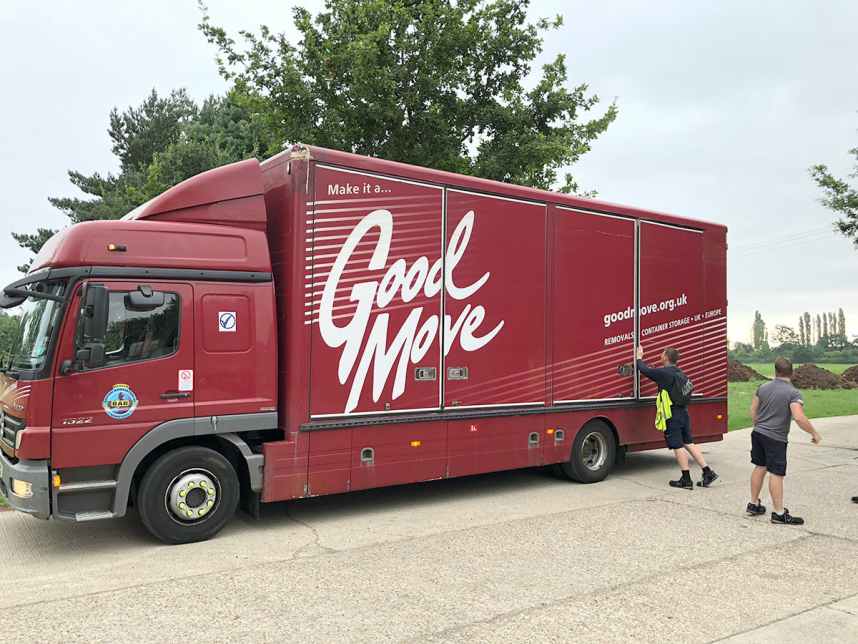
With careful planning and the right team behind you, a winter house move can be an excellent way to start 2026.
GoodMove handles local, national, and international relocations year-round.
Whether you’re moving across Essex, into Suffolk, or starting a new life further afield, our friendly and experienced team is ready to help.
Contact us today for a free, no-obligation quote and let’s get you settled into your new home.
Frequently Asked Questions About Moving House in Winter
Is winter a bad time to move house?
Not necessarily. While the weather can be unpredictable, removals companies plan for winter conditions. With an early start and proper preparation, a winter house move can run just as smoothly as any other time of year.
Are removals companies cheaper in winter?
Often, yes. Winter isn’t peak moving season, so availability is better, and rates are sometimes lower — especially mid-week. It’s worth booking early to secure the best dates.
What happens if it snows on moving day?
Your moving team will assess conditions and make adjustments, such as using extra protective covers or modifying access routes. In dangerous weather, moves may need to be rescheduled, but this is rare.
How can I keep my house warm during move-in?
If possible, set the heating to come on before you arrive. Otherwise, switch it on as soon as you get the keys. Keeping internal doors shut helps the warmth spread quickly.