


Moving to France from the UK in 2026
Planning on moving to France from the UK in 2026?
For many British families, couples and retirees, France remains one of the most attractive destinations in Europe, offering great food, varied landscapes, relaxed lifestyles and easy access back to the UK.
However, since Brexit, relocating is no longer a simple matter of booking transport and crossing the Channel.
A successful move now requires careful planning around visas, healthcare, customs rules, finances and everyday administration.
The good news is that thousands of UK residents continue to move to France every year.
With the right preparation, your relocation can still be smooth, compliant and stress-free.
This guide explains everything you need to know about moving to France from the UK in 2026.
Table of Contents
Quick Answer: Moving to France from the UK in 2026

If you are moving to France from the UK in 2026, you will need to prepare for several legal and practical steps in advance:
- You will need a long-stay visa if you plan to stay longer than 90 days
- Short visits are limited to 90 days in any 180-day period under Schengen rules
- You must apply for your visa before leaving the UK
- After arrival, most long-stay visas must be validated online
- Your household goods will require customs clearance and an inventory
- Most permanent movers can import belongings tax-free if the paperwork is correct
- You must register for French healthcare once resident
- A French bank account is usually needed for rent, utilities and salary
- Pets require an Animal Health Certificate and vaccinations
- UK driving licences are usually accepted, but in some situations an exchange is required.
- Border checks are now digital, so allow extra time when travelling
With proper planning and professional removals support, moving to France from the UK in 2026 remains straightforward.
For a full breakdown of each step, including visa routes, customs rules, healthcare registration and practical moving tips, continue reading our complete guide below.
Life After Brexit: What UK Movers Need to Know

Since the UK left the EU, British citizens are now treated as non-EU nationals when moving to France. This affects how long you can stay and what permissions you need.
Your options depend mainly on:
- How long do you plan to remain in France
- Your reason for moving (work, retirement, study, business, family)
- Whether you hold pre-Brexit residency rights
For most new movers in 2026, the rules are clear.
Short visits are limited under the Schengen 90-day rule, allowing visa-free stays of up to 90 days within any 180-day period.
Anyone planning to live in France for longer must apply for a long-stay visa before travelling.
Long-Stay Visas and Residence Permits
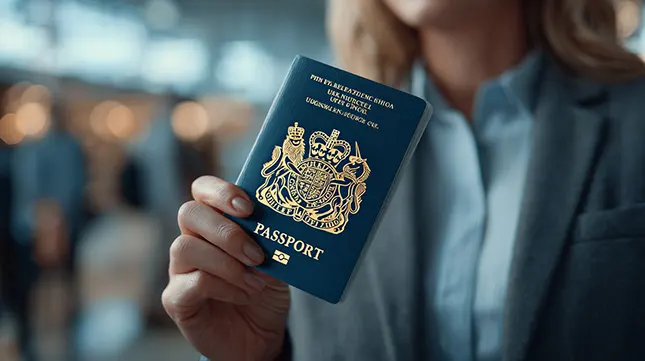
If you are relocating rather than visiting, you will usually need to arrange a long-stay visa in advance.
Applications are handled through France-Visas, which provides guidance on eligibility, documentation and processing times.
Common visa routes include:
- Employment or employer-sponsored visas
- Self-employed and business visas
- Long-stay visitor or retirement visas
- Study visas
- Family reunification visas
After arrival, many long-stay visas must be validated online and may later require conversion into a residence permit (titre de séjour). Missing these steps can cause serious complications, so it’s important to follow instructions carefully.
If you qualified under the Withdrawal Agreement, renewals are typically handled locally by your prefecture.
Border Changes in 2026: EES and ETIAS
Travelling between the UK and France has become more automated in recent years.
The EU’s Entry/Exit System (EES) is now being rolled out, introducing biometric registration and digital border records. This reduces manual passport stamping but may increase queue times during busy periods.
Later in 2026, ETIAS, a travel authorisation system, is expected to launch for visa-free visitors.
While it does not apply to long-term residents, it will affect short trips.
Overall, travel is becoming more structured. Allow extra time, especially during peak seasons.
Moving Your Household Goods After Brexit

If you are transporting your belongings from the UK to France, you will need to follow customs procedures.
Most permanent movers can qualify for relief under “Transfer of Residence” rules, allowing personal possessions to be imported without paying duties, provided conditions are met.
However, documentation is critical.
You will usually need:
- A detailed itemised inventory
- Proof of relocation and address
- Visa or residency evidence
- Correct customs declarations
Incomplete paperwork is one of the most common causes of delays. Using an experienced European removals company can help avoid problems at the border.
Taking Pets to France in 2026

Moving with pets requires careful timing.
Under current rules, dogs, cats and ferrets travelling from the UK need an Animal Health Certificate issued by an authorised vet.
Guidance is published by GOV.UK, including vaccination and microchipping requirements.
Certificates are time-limited, so appointments should be arranged close to your travel date. Leaving this too late is a common and stressful mistake.
Driving in France with a UK Licence

Driving rules for UK licence holders depend on individual circumstances.
In most cases, you can continue using your UK licence in France, but exchanges may be required if:
- Your licence expires
- You commit certain offences
- You add new driving categories
As this affects insurance and vehicle registration, it is best to check your position early.
Registering for Healthcare in France

Once resident in France, you are no longer automatically covered by the NHS.
France operates a high-quality public healthcare system, but you must register to access it.
Many new residents apply through CPAM and PUMa, which eventually leads to a social security number and carte vitale.
Some UK nationals may qualify for UK-funded healthcare via S1 forms, depending on circumstances.
During the early months, many people also take out private cover or a “mutuelle” to manage costs while registration is completed.
Money, Banking and Day-to-Day Admin

Settling into French life is much easier when the basics are in place.
Early priorities usually include:
Opening a French bank account
Setting up utilities and direct debits
Planning currency transfers
Building a realistic monthly budget
Organising copies of key documents
The cost of living varies widely by region. Tools such as Numbeo are useful for comparing locations before choosing where to settle.
Learning French and Integrating
Many UK movers arrive with limited French, and that’s perfectly normal.
You don’t need fluency immediately, but basic language skills make everyday life far easier when dealing with:
Doctors and appointments
Local administration
Tradespeople
Neighbours and community groups
Making the effort is generally appreciated and helps you integrate more quickly. Over time, improving your French is one of the best investments you can make in your new life.
Schools and Education in France

France offers strong public and private education options for expat families.
State schools are free and taught in French, with compulsory education from age 3 to 16.
Many families in major cities choose bilingual or international schools to ease the transition, although fees vary significantly.
Once you choose an area, your local mairie can provide guidance on school places and applications.
Climate and Regional Differences
France’s geography creates very different climates across the country.
Northern regions tend to be mild and similar to southern England. Central areas have warmer summers and colder winters. Southern regions enjoy long hot summers and milder winters. Mountain areas experience heavy snowfall in winter.
For up-to-date climate information, Météo-France is a valuable planning resource.
Weather can influence property costs, energy bills and lifestyle, so it’s worth considering carefully.
French Property Market in 2026
Many expats eventually choose to buy property in France.
The market in 2026 remains stable overall, with local variations. Some coastal and commuter areas continue to see strong demand, while rural regions often offer excellent value.
Interest rates have stabilised, and buyer confidence is steady.
However, mortgage terms and tax rules differ from the UK, so professional advice is recommended.
To explore listings and prices, popular portals include Rightmove and French-Property.com.
In many regions, larger homes with land remain significantly cheaper than comparable UK properties, particularly for buyers willing to renovate.
Your Moving to France Checklist for 2026

- Before moving day, aim to have:
- Your visa is approved and validated
- Accommodation arranged
- Customs paperwork prepared
- Healthcare plans in place
- Pet documentation organised (if relevant)
- Border system changes are understood
Good preparation reduces uncertainty and allows you to focus on settling in once you arrive.
Need Help Moving to France from the UK? GoodMove Can Assist
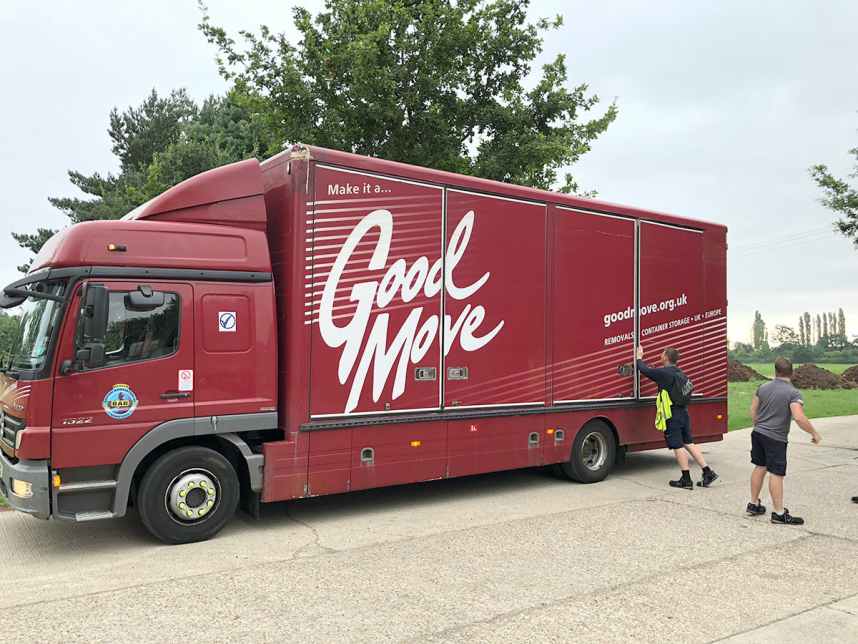
Relocating internationally involves far more than transport alone.
Packing, customs clearance, scheduling and documentation all need careful management.
Working with an experienced removals company helps prevent delays, unexpected costs and unnecessary stress.
GoodMove works with trusted European removals specialists to support UK households relocating to France, whether you are moving a few items or a full family home.
Professional support ensures your move is compliant, efficient and properly insured, giving you confidence from departure to delivery.
Final Thoughts: Making Your Move a Success
Moving to France from the UK in 2026 is undoubtedly more complex than it once was. However, it remains entirely achievable with careful planning.
By organising visas, healthcare, customs paperwork and logistics early, you can avoid most common problems and start enjoying your new life sooner.
If you’re considering relocating to France and would like expert guidance, GoodMove can help you plan every stage of your journey, from initial preparation to final delivery.
Frequently Asked Questions: Moving to France from the UK
Do UK citizens need a visa to move to France in 2026?
Yes. If you plan to stay in France for more than 90 days, you will need a long-stay visa before travelling. This applies to most people relocating for work, retirement, business, study or family reasons.
Can I move to France without a job?
Yes, in many cases. Some long-stay visas allow you to live in France without working, provided you can demonstrate sufficient income or savings to support yourself. This is common for retirees and long-term visitors.
How long does the visa process take?
Visa processing times vary, but most applications take between 4 and 12 weeks. During busy periods, it may take longer. It is best to apply several months before your planned move.
Do I have to pay customs charges on my belongings?
Most permanent movers can qualify for tax and duty relief under the Transfer of Residence rules. However, you must provide correct documentation and a detailed inventory. Without this, charges may apply.
Can I take my furniture and personal items to France?
Yes. You can move your household goods to France, but customs clearance is required. Professional removals companies experienced in European moves can manage this process on your behalf.
Can I take my pet to France from the UK?
Yes, but pets must have an Animal Health Certificate, a microchip and a valid rabies vaccination. Certificates are time-sensitive, so preparation is essential.
Can I use my UK driving licence in France?
In most cases, yes. UK licences are generally accepted, but an exchange may be required in certain situations, such as licence expiry or specific offences. It is advisable to check your status early.
How do I access healthcare in France?
Once resident, you should register with the French healthcare system through CPAM. Some UK nationals may be eligible for UK-funded healthcare through an S1 form. Many people also use private insurance during the transition period.
Is it expensive to live in France compared to the UK?
It depends on where you live. Large cities and coastal areas tend to be more expensive, while rural regions are often more affordable. Food, utilities and property prices vary significantly by location.
Do I need to speak French to live in France?
You do not need to be fluent, but basic French is highly recommended. It makes dealing with administration, healthcare and local services much easier and helps you integrate more quickly.
Should I use a professional removals company for moving to France?
Yes, especially for international moves. A professional removals company can manage packing, transport, customs paperwork and scheduling, helping to prevent delays and unexpected costs.
How far in advance should I start planning my move?
Ideally, you should begin planning at least 6 to 9 months before moving. This allows enough time for visa applications, property arrangements, paperwork and removals scheduling.