

Packing Service vs DIY: When It’s Worth Paying for Professionals (2026)
Moving home and deciding between a packing service or doing it yourself?
When planning a house move, this is actually the biggest question people face, is packing service as good as a DIY move?
On paper, packing your belongings yourself seems like the obvious way to save money. Grab some boxes, buy a few rolls of tape, and get started. Simple, right?
In reality, the choice isn’t always that straightforward.
Packing an entire home properly takes time, organisation, and the right materials to prevent damage in transit.
That’s why so many households arranging professional removals consider whether paying for expert packers could actually be the smarter option after all.
Understanding the difference between DIY packing and a professional packing service can help you avoid unnecessary stress, protect valuable items, and keep your moving day running smoothly.
In truth, there are some instances when a DIY makes perfect sense. Let’s delve into the pros and cons of each option so you can decide which is best for you.
Table of Contents
Packing Service vs DIY: What This Guide Covers
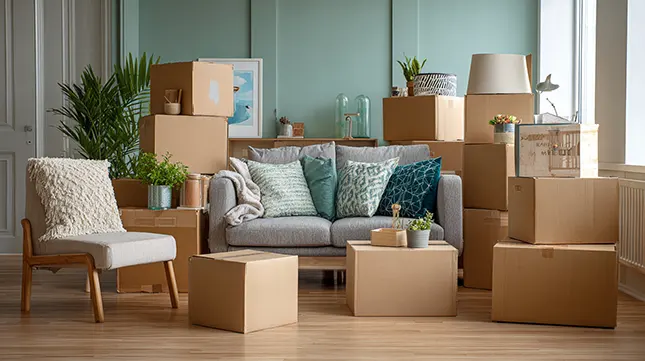
Before we explore the details, here’s a quick overview of what this guide explains about choosing between DIY packing and professional packing services during a house move.
- Understanding the real difference – comparing DIY packing effort with professional packing experience.
- The hidden costs of DIY – materials, time, and van hire expenses add up.
- When time pressure matters – professional packers complete whole homes far faster.
- Protecting fragile valuables – specialist packing methods significantly reduce damage during transport.
- When DIY still works – smaller homes and flexible timelines suit self-packing.
- Packing for storage – stronger cartons and methods protect items for the long term.
Understanding these key factors helps movers decide when professional packing is worth the investment.
Packing Service vs DIY: Understanding the Real Difference
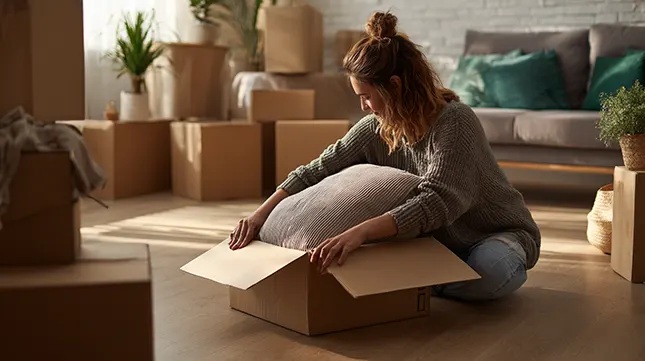
The main difference between DIY packing and a professional service is pretty simple: experience and efficiency.
When you pack yourself, you control the entire process, but it takes far longer than you expect and is incredibly hard work.
Professional movers use specialist materials such as double-walled boxes, protective wraps, and custom cartons designed for fragile belongings. These materials are built to withstand transport and stacking.
Industry guidance from the Health & Safety Adviser highlights the importance of correct carrying techniques to protect you and your belongings.
If you’re planning a move soon, the GoodMove moving checklist also offers useful preparation advice.
The Hidden Costs of Packing Yourself

DIY packing might seem cheaper at first, but the real costs often creep up quietly.
Boxes, packing paper, bubble wrap, tape, labels, and protective covers quickly add up. Bear in mind that a professional mover can buy all these items in bulk, thereby reducing the cost that the general public is likely to pay.
Then there’s the time investment. Packing a typical three-bedroom property can easily take a week if you’re not used to it, especially if you’re balancing work or family commitments.
There’s also the ever-present risk factor. Poorly packed items are far more likely to be damaged during lifting or transport.
Advice from the spruce website explains how incorrect packing is a common cause of breakages during relocation and how to do it right.
Hiring a suitable vehicle is not cheap these days either.
The tempting “£80-a-day” van hire price is rarely the final cost. Once you factor in mileage charges, environmental fees, and daily insurance add-ons, the price of your move can quickly double or even triple.
Rental vans also use a lot of fuel, so you’ll need to allow for petrol costs and possible road tolls. Whether you’re moving locally or across the country, these extra expenses can add up fast.
When comparing packing service vs DIY, these hidden costs are worth considering carefully.
When Time Pressure Changes Everything
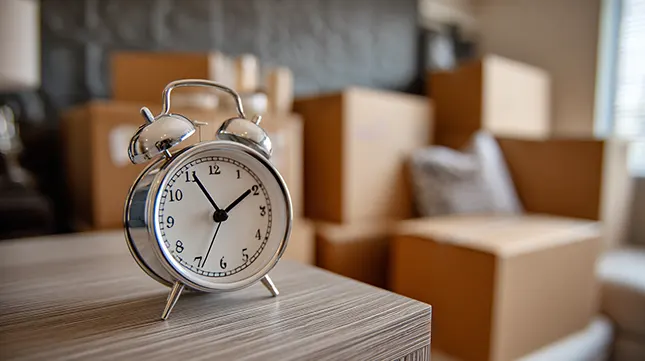
Moving deadlines rarely wait for perfect preparation. Exchange dates shift, completion timelines tighten, and suddenly the move is just days away.
Professional packing teams are trained to pack an entire household quickly and efficiently, often completing the job within a single day.
What might take a homeowner days and days can be handled quickly and methodically by experienced movers.
This is one reason many households upgrading their move choose a professional packing service.
GoodMove also shares useful guidance on how to prepare for moving day, helping movers avoid last-minute stress.
When time is limited, the packing service vs DIY decision often comes down to practicality rather than cost.
Protecting Fragile or Valuable Items
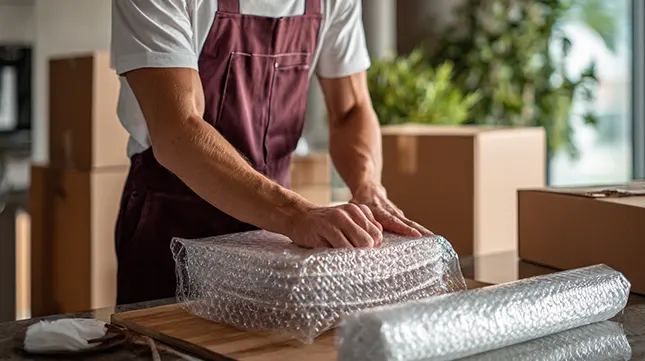
Some of your belongings may require extra care. Items such as mirrors, artwork, antiques, and delicate electronics need specialist wrapping techniques to prevent damage during transport.
Professional packing services use reinforced cartons, padded blankets, and structured packing methods designed to absorb movement during transit.
If your home contains fragile or sentimental items, professional packing can significantly reduce the chances of breakage during a move.
Discussing with your chosen removal company how they will handle these items to your satisfaction is crucial.
Some movers, such as GoodMove, can arrange for bespoke wooden crates to be made that will protect your most precious and expensive personal items.
When DIY Packing Still Makes Sense
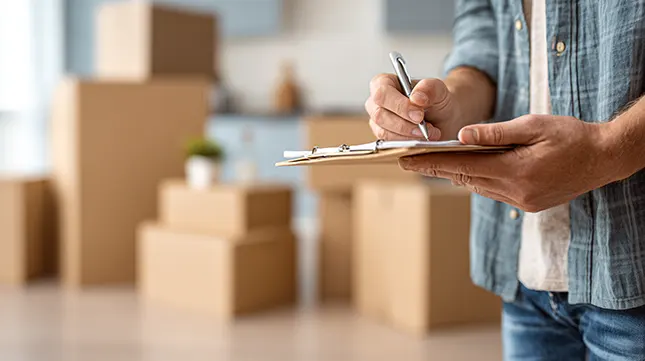
Despite the advantages of professional packing, DIY can still work well in certain situations.
If you’re moving from a smaller property or have plenty of time before moving day, packing yourself gradually may be perfectly manageable.
Many movers take a hybrid approach. Everyday items like clothing and books are packed personally, while professionals handle fragile kitchenware or bulky furniture.
Decluttering beforehand also makes packing far easier for DIY and professionally packed moves.
GoodMove explains how reducing household clutter before moving can simplify the process:
For organised movers with flexible schedules and fewer belongings, DIY packing can still be a practical option.
Why Proper Packing Matters for Storage
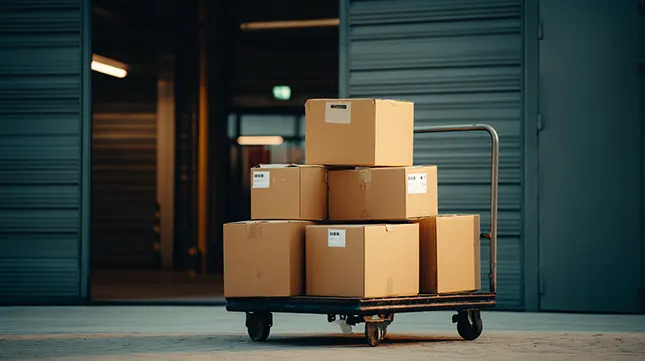
If your move involves temporary storage, packing quality becomes even more important.
Items stored for weeks or months must withstand stacking and environmental changes.
Removal companies typically use stronger cartons designed for warehouse storage and secure stacking methods that reduce pressure on fragile items.
The Self Storage Association UK offers useful advice on preparing belongings safely for storage units:
When comparing packing service vs DIY, storage situations often favour professional packing to ensure belongings remain protected long-term.
Moving with GoodMove Removals & Storage
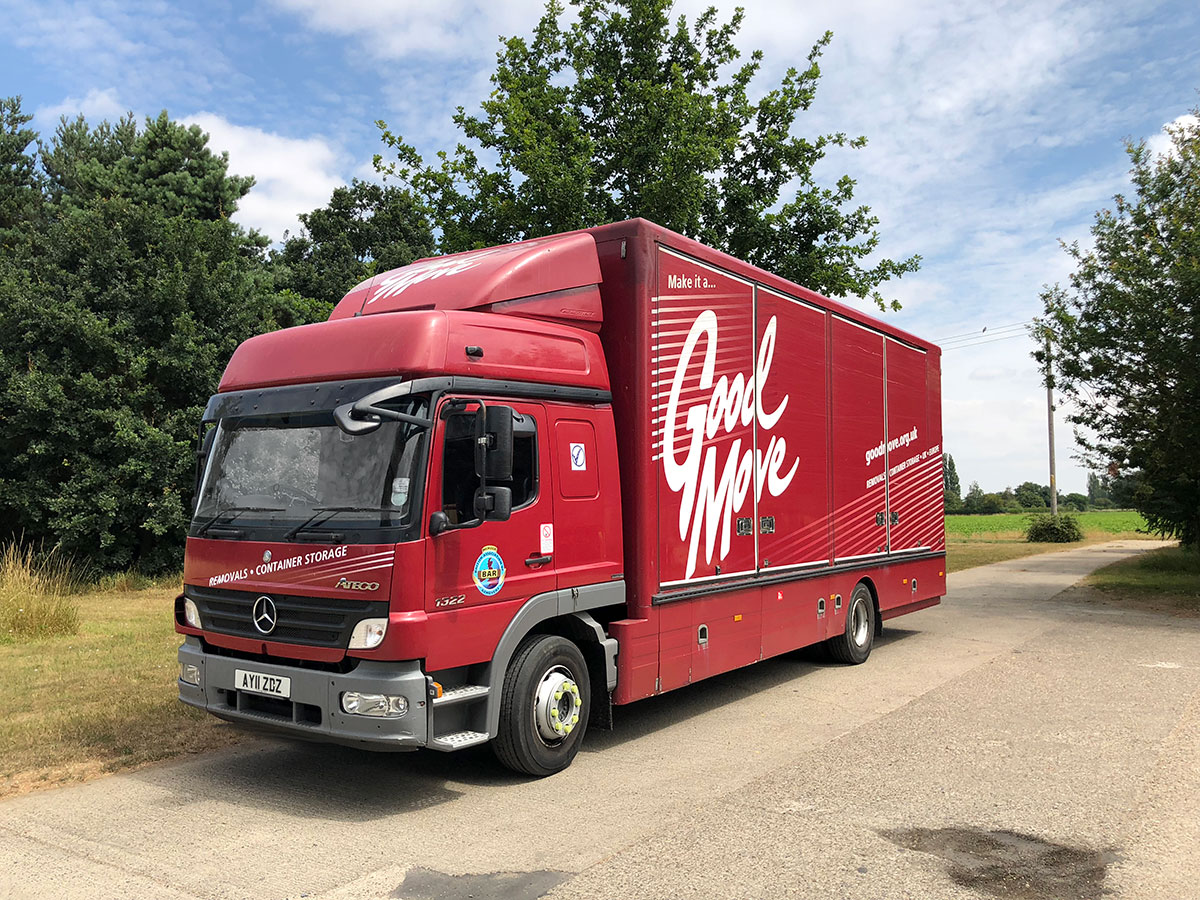
If you’re planning a move and deciding between a packing service vs DIY, speaking with an experienced removals company can help you understand the best option for your situation.
Colchester-based GoodMove Removals & Storage provides professional home moving services across Essex and surrounding areas, including Chelmsford, Bury St Edmunds, and Ipswich.
We also do European and international moves.
Our experienced team can supply high-quality packing materials or handle the entire packing process for you, ensuring your belongings are safely prepared for transport.
GoodMove is also a proud member of the British Association of Removers (BAR). Our services meet recognised industry standards for professionalism and customer care.
Book a pre-move survey today, followed by our no-obligation free removals quotation, and see how we can help you move safely, quickly, and efficiently.
Get in touch via phone, email or complete our quick quote form online.
Moving House FAQs
Is it worth paying for a professional packing service?
For many movers, yes. Professional packing reduces the risk of damage, saves time, and often provides better insurance protection for transported belongings.
How long does it take to pack a typical house?
Packing a three-bedroom property yourself can take several days. Professional packing teams can often complete the same task within a single day.
Do removal companies provide packing materials?
Most removal companies supply specialist boxes, wrapping materials, and protective covers designed specifically for moving household goods.
Can I pack some items myself and leave others to professionals?
Yes, many movers choose a mixed approach. Professionals often pack fragile or valuable items while homeowners pack everyday belongings.
Do professional packers insure the items they pack?
Many removal companies provide insurance cover for items they pack themselves, as the packing meets industry transport standards.
How early should I start packing before moving house?
Most movers begin packing non-essential belongings around two to three weeks before moving day, leaving everyday essentials until the final days before the move.