

Living in Mersea Island (2026): What’s it Really Like to Move to Essex’s Only Inhabited Island
Is living in Mersea Island something you have been considering? Read on.
If you’ve been searching for somewhere with sea air, close-knit community life, and a genuinely different pace, moving to Mersea Island, Essex might be calling your name.
Just a short drive from Colchester, this is Essex’s only inhabited island, and it offers a lifestyle that feels a world away from the mainland, even though it’s barely a fifteen-minute drive from the shops.
In this guide, we look at what living in Mersea Island is really like in 2026, from the tidal causeway that connects it to the mainland, to the oysters, the schools, the property market, and the community spirit that keeps so many people here for life.
Whether you’re weighing up a permanent move or a slower-paced retirement by the water, here’s everything you need to know.
Table of Contents
A Short Overview of This Blog
Here’s a quick summary of everything covered in this guide before we go into more detail.
- Getting there: Mersea Island is joined to mainland Essex by a single tidal causeway called the Strood, which floods twice a day and needs checking before you travel.
- Two very different halves: West Mersea is the busy, sociable side with shops, pubs, and a harbour, while East Mersea is quieter, greener, and more rural.
- Property: homes range from period cottages and beach chalets to new-build developments, with prices generally sitting above the Colchester average.
- Community and food: the island is famous for its oysters and sailing clubs, with a strong sense of community that runs year-round, not just in summer.
- Schools and family life: Mersea Island School serves the island’s children, with secondary options a short drive away on the mainland.
- Getting around, most people drive or cycle, with regular bus links to Colchester for commuters and shoppers.
By the end of this guide, you’ll have a clear picture of daily life on the island, along with the practical details you need before you commit to moving to Mersea Island, Essex.
Where Is Mersea Island and How Do You Get There
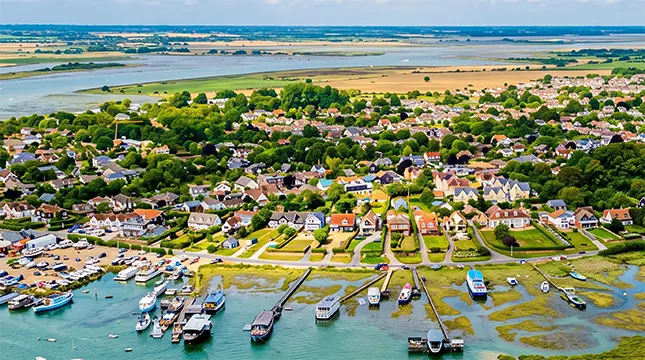
Mersea Island sits at the mouth of the River Blackwater and the River Colne, around seven miles south of Colchester.
Despite its island status, it’s remarkably easy to reach, connected to the Essex mainland by a single road called the Strood.
This half-mile causeway is the only way on or off the island by car, and it’s tidal, meaning it floods for a window on either side of high tide, twice a day.
Locals live around the tide tables rather than fighting them, checking resources like the Strood tide forecast or the official Visit Mersea Island tides and travel page before setting off, and it quickly becomes second nature.
It’s one of the quirks that makes island life feel genuinely different, even though you’re only around fifteen minutes from a major town.
West Mersea or East Mersea, Which Side Suits You
The island naturally splits into two very different communities.
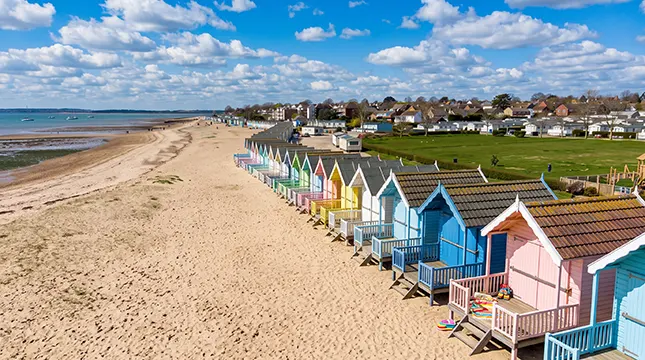
West Mersea is the busier, more sociable side, home to the high street, the harbour, the beach huts and most of the shops, cafes, and pubs. It’s where you’ll find the sailing clubs, the seafood restaurants and the year-round buzz that draws both residents and weekend visitors.
East Mersea, by contrast, is quieter and greener, with fewer amenities but more space, coastal walks, and the wide-open landscapes of Cudmore Grove Country Park.
Many people who move to Mersea Island choose West Mersea for convenience and community, while those after peace and privacy tend to gravitate east.
Property and the Cost of Living in Mersea Island

Housing on the island covers everything from traditional weatherboarded cottages and Edwardian villas to new-build estates such as Kingsfield in West Mersea.
As you’d expect for a coastal location within easy reach of Colchester and London, prices tend to sit above the county average, with detached family homes commonly listed well into six figures and premium waterside properties reaching well beyond that.
You can browse current Mersea Island property listings on Rightmove to get a feel for the local market before you commit.
Beach chalets and holiday homes are also part of the island’s character, particularly around Coast Road and the Waldegraves area, though planning rules mean not every property is suitable for permanent residence, so it’s worth checking this carefully with your estate agent before making an offer.
Community, Oysters, and Island Life

Few places in Essex have a food identity quite like Mersea Island.
Oysters have been harvested here since Roman times, and the working boats, sheds and restaurants along Coast Road still supply some of the best seafood in the county. It’s a source of real pride locally, and the annual regatta and various seafood weekends draw crowds from across Essex.
Several bars and restaurants serve the famous oysters, including the Victory Hotel, The Company Shed, The Oyster Bar restaurant and The Coast Inn, all with lovely views over the water.
Sailing is equally central to island life. The West Mersea Yacht Club, founded in 1899, is one of the most active racing clubs on the East Coast, and alongside the Dabchicks Sailing Club it gives the island a genuinely nautical rhythm, particularly through the spring and summer.
Add in a museum, a library that doubles as a community hub, independent shops, and a strong calendar of local events, and you get a place where it’s easy to feel part of something quickly, rather than just living somewhere.
Schools and Family Life on Mersea Island

Families moving to Mersea Island, Essex are generally well served for primary education. Mersea Island School in West Mersea takes children from ages two to eleven and is well regarded locally, with a strong sense of community woven into island life from the start.
For secondary education, most families look to schools in Colchester, a short and manageable drive or bus ride away.
The island’s beaches, nature reserves, and outdoor activity centres also mean there’s no shortage of things for children to do outside school, from fossil hunting along the Cudmore Grove shoreline to sailing clubs that welcome young members.
Getting Around and Commuting from Mersea Island
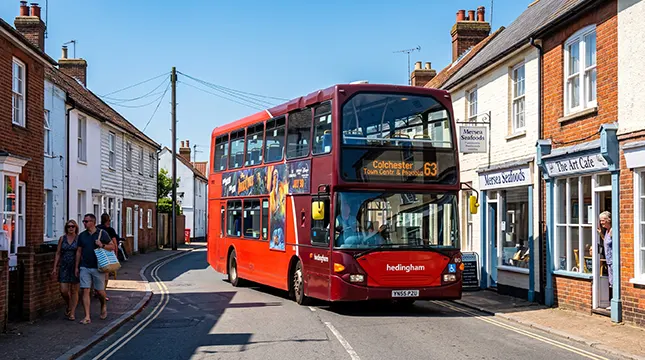
Most residents drive, and a car is genuinely useful given the island’s slightly rural layout, but it’s far from essential for everything.
Regular bus services connect West Mersea to Colchester, where you’ll find mainline rail connections into London Liverpool Street in around an hour, making commuting from Mersea Island a realistic option for the right role.
Cycling is popular too, helped by the island’s flat terrain, and many residents happily cover the roughly thirteen miles of coastline on two wheels rather than four.
Just remember that the tide governs everything, so build a buffer into your journey times, especially around the school run or a commute, as part of settling in.
Things to Do on Mersea Island
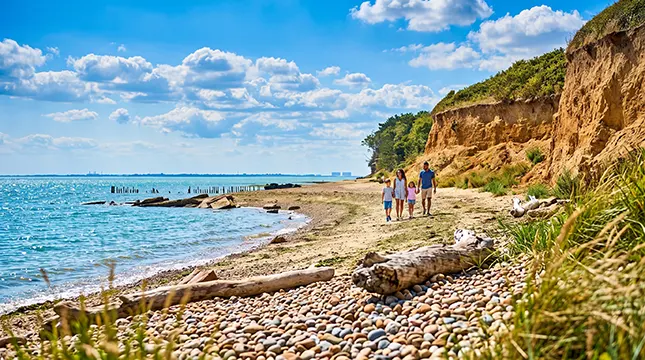
Beyond the day-to-day, island life comes with a genuinely enviable list of things to do on your doorstep, including,
- Cudmore Grove Country Park, for coastal walks, birdwatching, and fossil hunting along the cliffs
- The Mersea Island Museum, for a look at the island’s fishing, oyster, and wartime history
Add sailing, boat trips out to the anchored Radio Caroline, seafood restaurants along Coast Road and a lively events calendar, and you have enough to fill weekends all year round, without ever needing to leave the island.
For more ideas and inspiration, visit the Mersea Island tourist website.
Is Moving to Mersea Island Right for You
Life on Mersea Island won’t suit everyone. The tidal causeway, limited amenities compared to a mainland town and a housing market that runs above the Essex average are all worth weighing up honestly before you commit.
But for many people, that’s exactly the trade-off they’re looking for: a close community, fresh seafood, sailing on the doorstep and a noticeably slower pace of life, all within easy reach of Colchester and the rail links to London.
If you’re planning a move, it’s worth timing things around the tides just as much as the removal van, and choosing a removals company that already knows the island’s quirks.
Moving to Mersea Island with GoodMove

At GoodMove, we’ve helped families move to towns and villages across Essex, Suffolk, and Norfolk, including the more unusual logistics that come with an island move.
Our house removals service covers the whole of Essex, and our home storage options are useful if you need somewhere secure to keep your belongings while you find the right property on the island.
Get in touch with our team today for a free, no-obligation quote, and let us help make your move to Mersea Island a smooth one.
For added peace of mind, we are members of the British Association of Removers (BAR). Rest assured, you are in safe hands!
Living in Mersea Island Frequently Asked Questions
Is Mersea Island cut off from the mainland?
Yes, at certain points in the tide cycle. The Strood causeway floods for roughly an hour to ninety minutes either side of high tide, twice a day, so the island is briefly cut off by road during those windows. Outside of that, access is straightforward.
Is Mersea Island a good place to live?
For many people, yes. It offers a strong sense of community, easy access to the coast, good local schools, and a manageable commute to Colchester, which makes it popular with families, retirees, and second homeowners alike.
How far is Mersea Island from Colchester?
Mersea Island is around seven miles from Colchester, roughly a fifteen to twenty-minute drive depending on traffic and the tide at the Strood.
Are house prices higher on Mersea Island?
Generally, yes. Coastal position and limited supply mean property on the island tends to cost more than comparable homes further inland in Essex, particularly for anything close to the water.
Can you commute to London from Mersea Island?
Yes, many residents do. Buses connect the island to Colchester, where mainline trains reach London Liverpool Street in around an hour, making it a realistic, if slightly longer, commute for those who prioritise the lifestyle.