


Moving to Germany from Essex: Costs, Residency & What UK Expats Need to Know in 2026
Thinking about moving to Germany from Essex in 2026?
You are not alone; that’s for sure. Every year, families, professionals and retirees leave towns like Colchester, Chelmsford, Southend and Ipswich behind for a fresh start in Germany, drawn by strong career prospects, excellent healthcare and a genuinely different pace of life.
Since Brexit, though, the process is a little more involved than it once was. UK citizens are now treated as third-country nationals, which means visas, residence permits and a fair bit of admin stand between you and your new German address.
In this guide, we walk through everything Essex residents need to know before moving to Germany in 2026, including visa and residency requirements, the real cost of removals from Essex, healthcare, housing and how to plan a smooth, stress-free relocation from the East of England.
Your dream is about to become reality!
Table of Contents
A Short Overview of This Blog
Here is a quick summary of what is covered, before we go into more detail below.
- Visa and Residency Rules: UK citizens now need a visa or residence permit for stays beyond 90 days, plus registration with the local authorities soon after arrival.
- Costs of Removals to Germany: What Essex households can realistically expect to pay for shipping belongings by road or sea, and how to keep costs down.
- Cost of Living Compared to Essex: How rent, healthcare and everyday costs in Germany stack up against life in Essex.
- Healthcare and Insurance: Why health insurance is compulsory in Germany, and the difference between public and private cover.
- Finding Somewhere to Live: What to expect from Germany’s competitive rental market and the documents landlords typically ask for.
- Planning Your Move from Essex: Realistic timelines, travel routes from Essex to Germany and how a removals company can help.
None of this needs to feel overwhelming if you plan ahead and tackle each step in the right order. Read on for the full detail on residency, costs and settling into life in Germany.

Why Are Essex Residents Moving to Germany?
Germany remains one of the most popular relocation destinations for UK nationals, and it is easy to see why.
Europe’s largest economy offers strong job security, particularly in engineering, IT, healthcare and finance, alongside excellent public transport, affordable further education and some of the best parental leave and workplace protections in Europe.
For Essex residents specifically, the appeal often comes down to a straightforward comparison. Cities such as Berlin, Hamburg, Munich and Frankfurt offer world-class infrastructure and career opportunities without London-level property prices, while still being a short flight or ferry crossing from home.
Many people moving abroad from Essex to Germany are professionals relocating with an employer, retirees seeking a lower cost of living, or families drawn by Germany’s reputation for excellent state education and childcare.
Whatever the reason, moving to Germany from Essex in 2026 is entirely achievable with the right preparation, and understanding the rules is the first step.

Visa and Residency Requirements for UK Citizens
Since the UK left the EU, British citizens are treated as third-country nationals under German immigration law, which means the old rules of free movement no longer apply.
The good news is that UK nationals still benefit from what is known as privileged status. You can enter Germany visa-free for up to 90 days within any 180-day period, and under Section 41 of the German Residence Ordinance, you are generally allowed to apply for your residence permit from within Germany rather than needing a visa arranged in advance from the UK.
NOTE: The application must be lodged within 90 days of arrival, and you cannot legally start work until the permit is issued.
Common routes for Essex movers include the National D Visa, applied for through the German Federal Foreign Office before travelling, or the EU Blue Card for skilled graduates with a confirmed job offer.
For 2026, the general Blue Card salary threshold sits at around €48,300 gross per year, dropping to roughly €43,800 for shortage occupations such as STEM, medicine and IT. These figures are reviewed annually, so always check the current threshold before applying.
If you are self-employed, Germany also offers a freelancer visa for recognised professions, while family reunion permits are available for those joining a spouse or close relative already living in Germany.
Whichever route applies to you, full health insurance is required for every visa type, so this is worth arranging early.
For the official position on entry requirements, GOV.UK’s living in Germany guidance is the most reliable starting point, alongside the Federal Office for Migration and Refugees (BAMF) for permit specifics and the German Federal Foreign Office for visa applications made from the UK.

Registering Your Address: The Anmeldung
Once you have found somewhere to live, one of the very first jobs on your list should be the Anmeldung, Germany’s mandatory address registration.
This must be completed within 14 days of moving into a permanent address, at your local Bürgeramt or citizens’ office. For a step-by-step guide to obtaining your Anmeldung, visit Welcome Hub Germany.
You will typically need your passport, your signed rental contract, and a confirmation letter from your landlord known as a Wohnungsgeberbestätigung.
In return, you receive a Meldebescheinigung, a registration certificate that you will need almost immediately for opening a bank account, applying for your residence permit and registering for health insurance.
Appointments in larger cities such as Berlin, Munich and Hamburg can be booked up weeks in advance, so it is worth registering online as soon as your moving date is confirmed rather than waiting until you land.

Health Insurance and Healthcare in Germany
Healthcare in Germany is not free, and cover is a legal requirement for every resident, not simply a recommendation.
Most employees are enrolled automatically in the statutory public system, with contributions of around 14.6 per cent of gross income split between employee and employer, plus a low additional rate that varies by provider.
Higher earners, the self-employed and certain visa categories may instead choose private health insurance, which can offer faster appointments and a wider choice of specialists, though premiums are based on age and health rather than income.
Whichever route you take, the standard of care is excellent, and most Essex expats find the system straightforward once registered.
It is worth arranging cover before you travel, since proof of insurance is required for almost every visa application.
For more help navigating and understanding the German health system, take a look at this comprehensive guide aimed specifically at UK expats.

The Cost of Removals to Germany from Essex
One of the biggest practical questions for anyone moving to Germany from Essex is what it will actually cost to get your belongings there.
For the vast majority of moves from the UK to Germany, household belongings are transported by road. This is the quickest, most cost-effective and environmentally efficient method, particularly for destinations across mainland Germany.
At GoodMove, almost every shipment travels in purpose-built removals vehicles rather than by sea or air freight.
Once on the road, the vehicle travels via the Channel Tunnel or ferry before continuing through Europe directly to your new home in Germany.
Because the journey is made entirely by road, there is no need for containers to be transferred between ships, ports or aircraft, reducing handling and helping to minimise the risk of damage.
GoodMove operates regular services to Germany, including frequent relocations for MOD personnel and private customers, allowing for efficient scheduling and reliable delivery times.
Upon arrival, the removals team unloads your belongings into the rooms of your choice, reassembles furniture where required and removes any used packing materials, helping you settle into your new German home as quickly and smoothly as possible
As a rough guide, removals to Germany from the UK typically range from around £1,200 – £2,000 for a small part-load up to £8,000 or more for a full house move using a dedicated vehicle, depending on volume, access and the level of packing support required.
Adding professional packing and a full unpacking service will increase the price but can save considerable time and stress at the other end.
Getting an accurate quote always starts with a proper survey of your belongings, either in person or by video call, rather than a rough estimate based on the number of bedrooms alone.

Cost of Living in Germany vs Essex
Once the move itself is sorted, most people’s next question is how far their money will go once they arrive. The answer varies significantly by city, but a few general patterns hold true.
- Rent: Berlin and Leipzig remain considerably cheaper than London and often comparable to or lower than parts of Essex, while Munich and Frankfurt sit at the premium end of the German market.
- Everyday costs: Groceries, public transport and eating out are broadly similar to the UK, though petrol and energy costs can run slightly higher.
- Healthcare and insurance: Mandatory contributions add a cost that most UK residents are not used to budgeting for, since NHS access is funded differently.
- Childcare and education: State childcare and schooling are generally more affordable than equivalent private options in the UK, a significant draw for relocating families.
For a detailed, real-time comparison of specific cities, tools such as Numbeo’s cost of living index allow you to compare Essex towns directly against your intended German destination before you commit.

Finding Somewhere to Live in Germany
Germany is a nation of renters, and competition for good flats in major cities remains fierce in 2026.
Landlords often choose between several qualified applicants within days, so having your paperwork, including proof of income, a Schufa credit report and references, ready in advance makes a real difference.
Portals such as ImmoScout24 are the standard starting point for both renting and buying, letting you filter listings by district, price and energy rating.
Buying property is also straightforward for foreign nationals, since Germany places no residency restrictions on ownership, though lenders typically expect 15 to 20 per cent equity along with proof of stable income.
If you are moving with children, settling into a new school and neighbourhood brings its own challenges. Our guide on moving house with children offers some practical, stress-reducing advice that applies just as well to an international move as a domestic one.
Banking, Driving Licences and Everyday Admin
A German bank account, or Girokonto, is worth opening as soon as you have your Meldebescheinigung, since salary payments, rent and utility bills are typically handled by direct debit rather than standing order.
Most major banks and app-based providers accept UK passports without difficulty. Two of the best banks in the country for UK expats are Commerzbank and N26.
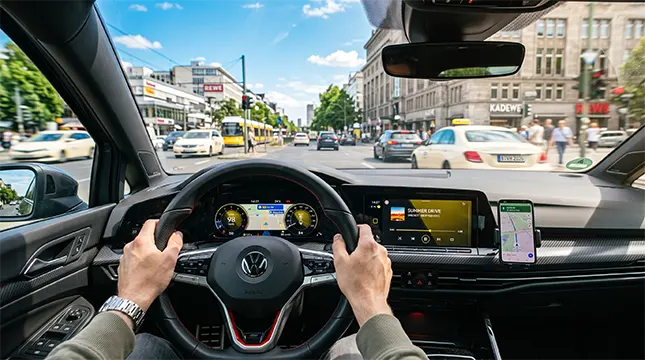
Your UK driving licence remains valid for a short period after your residence permit is issued, generally around six months, after which it needs to be exchanged for a German licence.
This is usually a straightforward administrative process rather than a retest, though it is worth checking the current rules with your local citizens’ office, as they can vary slightly by state.
If you are shipping a car, make sure your UK insurance remains valid for the journey and that you have proof of cover to hand for German customs on arrival.
Planning Your Move from Essex to Germany
Ideally, planning should begin at least three to four months before your intended move date.
This gives enough time to apply for a residence permit if required, arrange health insurance, sort your removals quote and search for housing, all of which tend to take longer than expected, particularly during busy relocation periods such as late summer.
GoodMove Removals & Storage has been helping individuals, couples and families relocate across Essex, Suffolk and Norfolk, as well as internationally, for over 35 years.
Based on the Essex-Suffolk border and close to the port of Harwich, GoodMove understands the practicalities of a European move firsthand, from choosing between a shared load and a dedicated vehicle to handling customs paperwork correctly the first time.
Whether you are shipping a full household or just the essentials, GoodMove offers experienced European removals, expert packing and flexible storage solutions to keep your move on track.
If you would like a tailored quote for your move to Germany, you can get in touch with the team for a free, no-obligation estimate.
Is Moving to Germany from Essex Worth It in 2026?
For many Essex residents, the answer is yes. Germany offers strong career opportunities, excellent healthcare, affordable education and a genuinely different quality of life, all within easy reach of home thanks to Essex’s ferry and flight links.
It will not suit everyone. The paperwork is more involved than it was before Brexit, rental competition in major cities is intense, and adapting to a new language and administrative system takes time.
But for those willing to plan ahead, moving to Germany from Essex remains one of the more accessible and rewarding European relocations available to UK nationals in 2026.
Frequently Asked Questions
Do UK citizens need a visa to move to Germany in 2026?
Yes, if you plan to stay longer than 90 days or intend to work. UK citizens can often enter visa-free and apply for their residence permit from within Germany, but the correct permit must be in place before you can legally start work.
How much does it cost to move house from Essex to Germany?
Costs vary widely depending on volume and service level, but typically range from around £1,200 for a small, shared load up to £8,000 or more for a full house move using a dedicated vehicle. A proper survey will give you an accurate figure.
Is healthcare free in Germany?
No. Healthcare is not free, and all residents must hold either statutory public or private health insurance. Contributions depend on income and employment status, but coverage is comprehensive.
Can I keep my UK bank account after moving to Germany?
Most UK nationals can keep their existing UK accounts, though some providers restrict services for non-residents. Most people also open a German account for everyday spending, salary and bills.
How long can I use my UK driving licence in Germany?
Your UK licence typically remains valid for around six months after your residence permit is issued, after which it must be exchanged for a German licence.
What is the best time of year to move to Germany from Essex?
Spring and early autumn tend to be quieter for removals and rental searches, avoiding the busy summer relocation period and giving landlords and administrators more availability.
How long does the removals process take from Essex to Germany?
A shared load can take several weeks to arrive, while a dedicated vehicle travelling via the Harwich to Hook of Holland route can typically deliver within a few days once collected.
slider
 For removals to Ipswich... make it a Good Move!
For removals to Sudbury... make it a Good Move!
For removals to Chelmsford... make it a Good Move!
For removals to Ipswich... make it a Good Move!
For removals to Sudbury... make it a Good Move!
For removals to Chelmsford... make it a Good Move!