

Moving with Pets to a New Home in Essex: A Practical Guide for 2026
Planning a home move in Essex sometime in 2026 and looking at moving with pets?
Moving house with pets brings a layer of planning that a pet-free move simply does not need.
Dogs pick up on packing boxes and disrupted routines almost immediately; cats are creatures of territory and habit, and even smaller pets like rabbits or guinea pigs can be unsettled by a change of environment.
None of this means a house move with animals has to be stressful. With the right preparation, clear timings, and a calm approach on the day itself, most pets adjust far more quickly than owners expect.
This guide walks through everything you need to think about when moving with pets in Essex, from the weeks before moving day through to helping your pet settle into a new home, garden, and neighbourhood.
Whether you are relocating across Colchester, moving out to a village near Chelmsford, or heading for the coast at Mersea or Frinton, the same core principles apply, with a few Essex-specific details worth knowing along the way.
Table of Contents
Quick Summary: Moving with Pets to a New Home in Essex (2026)
Moving with pets in Essex takes extra planning but is manageable with the right preparation. Key points covered in this guide:
- Start early: visit the vet, check microchip details, and register with a new vet near your Essex home before moving day.
- Microchipping is a legal requirement for dogs from 8 weeks and cats in England from 20 weeks, with fines for outdated details.
- Use a secure, familiar carrier or crate for travel, and never leave pets unattended in a vehicle.
- On moving day, arrange alternative care or a quiet, secure room for pets away from the activity.
- Dogs settle faster with familiar routines and smells, and Essex offers excellent walks at Wivenhoe Trail, Hatfield Forest, Cudmore Grove, and Hylands Park
- Cats should stay indoors for two to three weeks after a move before being let outside.
- Small pets like rabbits and guinea pigs need minimal transit time and familiar bedding to reduce stress.
- Renters in Essex benefit from the May 2026 Renters’ Rights Act reforms, which end blanket no-pets policies.
- GoodMove Removals & Storage offers experienced, pet-aware removals and flexible storage across Essex.
Plan Early: What to Sort Out Before Moving Day

The earlier you start thinking about your pet’s move, the smoother the whole process tends to be. Most of the stress around moving with pets comes from leaving things until the last few days, so it is worth building pet-related tasks into your moving timeline from the outset.
A good starting point is a visit to your vet a few weeks before the move. This gives you the chance to check your pet is fit and well, particularly if you are travelling any distance, and to ask about anything specific to your animal, such as travel sickness in dogs or stress-related issues in cats. It is also the ideal time to confirm that microchip details are up to date, as this is one of the most commonly overlooked tasks during a move.
Under UK law, all dogs must be microchipped from eight weeks old, and since June 2024 the same requirement has applied to cats in England from twenty weeks old.
Keeping microchip records updated with your new address is not just good practice; it is a legal requirement, and failure to do so can result in a fine.
The UK government’s own guidance on microchipping rules and how to update your pet’s details is a useful place to check you are compliant before the move.
If you are moving to a new area of Essex, this is also a sensible time to research vets near your new home and register before you arrive, rather than scrambling to find one in an emergency.
The Royal College of Veterinary Surgeons Find a Vet tool lets you search by postcode and quickly shortlist a few practices near your new address.
Choosing the Right Travel Method for Moving Day
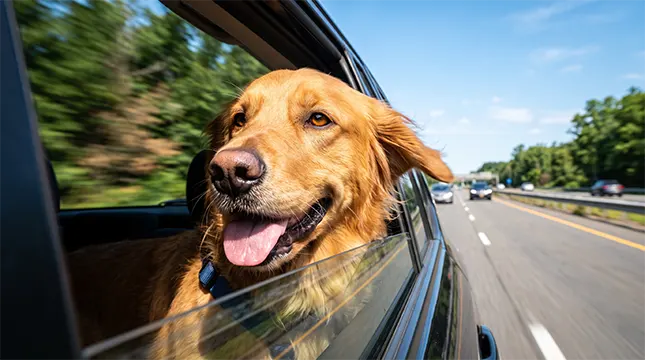
How your pet travels on the day itself depends on the animal, the distance, and how comfortable they already are with car journeys.
For dogs and cats, a secure, well-ventilated carrier or crate is essential, both for their safety and for compliance with the Highway Code, which requires that animals be suitably restrained in a moving vehicle.
It is worth introducing the carrier in the weeks before the move, so it becomes a familiar, unthreatening object rather than something only associated with stressful vet visits.
If you are moving a reasonable distance within Essex, perhaps from Colchester out towards Sudbury or down to Basildon, try to plan the route with breaks in mind for dogs, and keep the car as cool as you can throughout.
Never leave a pet unattended in a vehicle, particularly in warm weather, even for a short stop.
Cats generally find car travel more stressful than dogs, so covering part of the carrier with a light blanket can help reduce visual stimulation and keep them calmer. Familiar bedding inside the carrier, ideally something that already smells like home, also makes a real difference.
For rabbits, guinea pigs, and other small pets, keep their travel carrier out of direct sunlight and draughts, and avoid feeding large amounts immediately before travel to reduce the risk of travel sickness.
Although we cannot legally move your pet for you, the team at GoodMove are always happy to talk through your moving day plan and how best to fit pet logistics into the rest of the schedule.
Keeping Pets Calm and Safe on Moving Day Itself
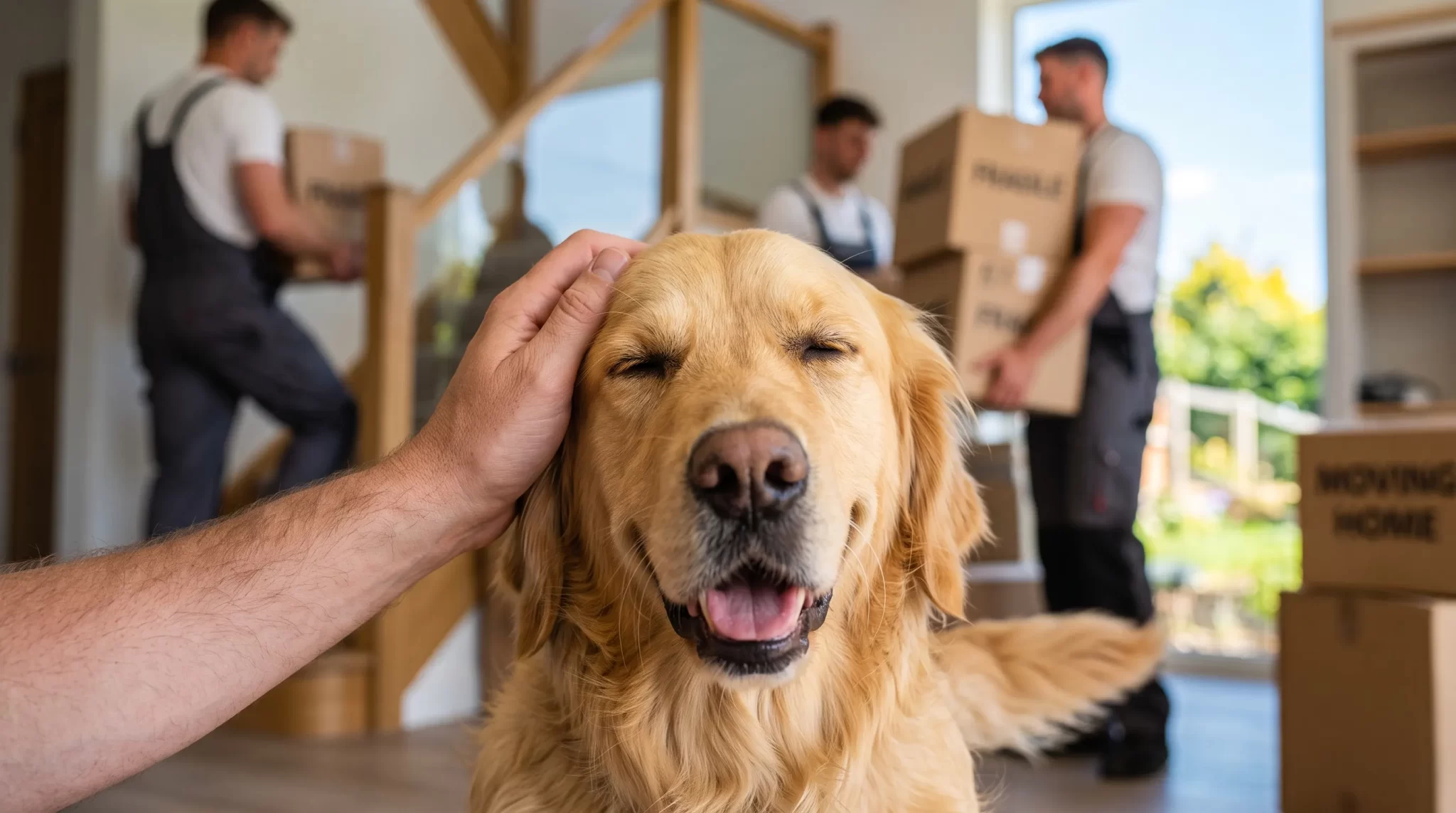
Moving day is busy, loud, and full of unfamiliar people coming in and out of the house, which is exactly the kind of environment that unsettles most pets.
The safest approach for both your pet’s welfare and your own peace of mind is to remove them from the chaos entirely wherever possible.
If you have family, friends, or a trusted neighbour nearby, arranging for them to look after your dog or cat for the day is often the simplest solution.
Alternatively, a day at a local kennels or cattery means your pet is somewhere calm and supervised while the move itself goes ahead.
If neither option is available, set up a quiet, secure room such as a bedroom or bathroom away from the main activity, ideally one of the last rooms to be packed and cleared, with familiar bedding, water, and toys, and let your removal team know that a pet is in there so the door stays shut.
This is far safer than letting a dog or cat have free run of a house full of open doors, removal staff, and unfamiliar boxes, where the risk of a frightened animal slipping outside unnoticed is much higher than people often expect.
Whichever option you choose, make sure collars, leads, and ID tags are on and checked before moving day begins, just in case your pet manages to escape.
Settling Your Dog into a New Essex Home
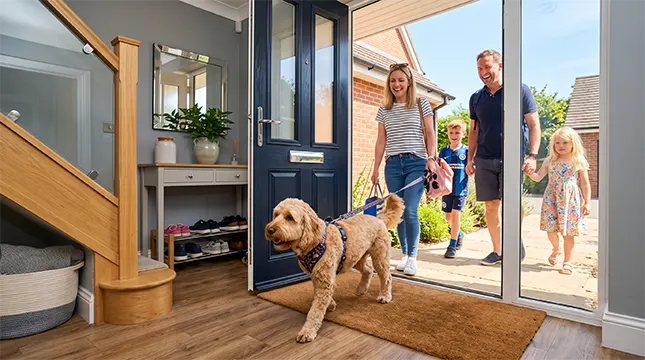
Dogs tend to adapt fairly quickly once they understand that this new house is now home, but a little structure in those first few days goes a long way.
Try to keep mealtimes, daily walks, and bedtime as close to your normal routine as possible, even if the house around your dog looks completely different.
Familiar smells help enormously, so resist the temptation to wash bedding, beds, and blankets immediately, since that lingering scent of home is genuinely reassuring to a dog in a new environment.
Before letting your dog loose in the garden, check fencing and gates thoroughly. Gardens that looked secure on a viewing day can have gaps, loose panels, or low spots that only become obvious once you are living there, and a dog exploring a new garden for the first time is more likely to test boundaries than usual.
If you are moving somewhere rural, be aware that livestock fields are common across much of Essex, and the countryside code asks that dogs are kept under close control or on a lead near farm animals.
Once your dog has settled indoors, Essex has some genuinely excellent spots for those first exploratory walks.
The Wivenhoe Trail along the River Colne is a long-standing favourite for dog walkers around Colchester, while families near Chelmsford often head for Hylands Park or the heathland and ancient woodland at Danbury Commons.
If you are closer to the Mersea or Clacton coastline, Cudmore Grove Country Park offers a dog-friendly beach alongside its meadows and saltmarsh, and Hatfield Forest near Bishop’s Stortford gives dogs miles of National Trust woodland to explore on or off the lead, depending on the area.
Helping Cats Adjust Without the Stress of a New Territory
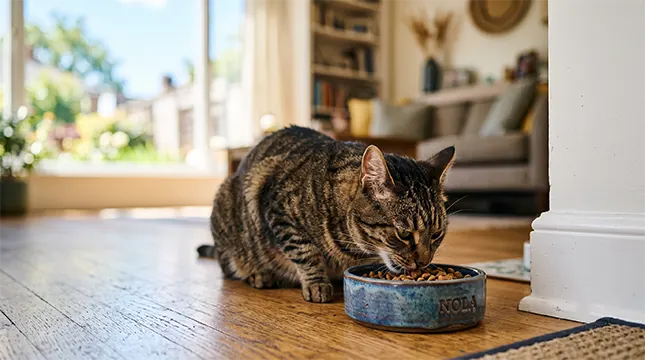
Cats experience a move very differently to dogs.
Where dogs are largely guided by their owner’s presence, cats are deeply territorial, and a sudden change of environment can genuinely disorientate them.
The RSPCA’s advice, based on years of behavioural guidance, is to keep cats confined to a single, quiet room for the first couple of days in a new home, complete with their bed, litter tray, food, water, and a few familiar toys, before gradually opening up access to the rest of the house.
Resist opening the door to the garden too soon. The general guidance from the RSPCA on settling cats into a new home recommends keeping cats indoors for around two to three weeks after a move, since cats that are allowed outside too early sometimes attempt to find their way back to their previous home, which can put them at real risk, particularly near busy roads.
When the time comes to introduce your cat to the outdoors, do so gradually and under supervision, ideally starting with short sessions outside dawn and dusk, when cats are typically most active and more inclined to roam farther.
Make sure your cat is wearing a collar with an ID tag and that microchip details have already been updated with your new address before they go outside for the first time.
Moving With Rabbits, Guinea Pigs, and Other Small Pets
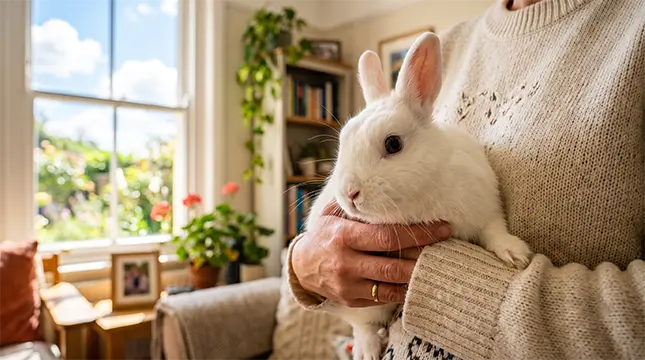
Small pets are often the easiest to manage logistically, since they travel in their existing hutch or carrier, but they can be just as sensitive to disruption as cats and dogs.
Try to move hutches and cages as late as possible on moving day, and set them up again in their new spot as early as you can once you arrive, so your pet spends as little time in transit as possible.
Keep the same bedding and any familiar-smelling items in place rather than giving everything a deep clean right before the move, since unfamiliar smells can be just as unsettling as an unfamiliar location.
If your rabbits or guinea pigs are usually kept outside, check the new garden carefully for a safe position away from direct sun, draughts, and any obvious predator risk, including foxes, which are common in both rural and suburban parts of Essex.
Moving Home With Pets if You Are Renting in Essex
If you are renting rather than buying, it is worth knowing that the rules around pets in rented homes changed for tenants in England from May 2026, when reforms under the Renters’ Rights Act Section 11 came into effect.
Landlords can no longer apply a blanket no pets policy and instead need a reasonable basis for refusing a request, although they are entitled to ask for pet insurance or reasonable conditions around keeping a pet in the property.
If you are searching for a new rental in Essex with a pet, it is worth raising this early with letting agents and checking your tenancy agreement carefully, since leasehold flats can sometimes have separate restrictions written into the lease itself that sit outside these new rules.
A Quick Checklist for Moving Day
A short list to keep nearby in the final week can take a surprising amount of pressure off.
- Update microchip and collar ID details with your new address.
- Register with a vet near your new home before you arrive.
- Introduce travel carriers and crates well before moving day.
- Arrange a calm space or alternative care for your pet on moving day itself.
- Pack a first-night bag with food, bedding, and any medication, separately from the main house move.
- Upon arrival to your home, check garden boundaries and hazards before letting pets explore unsupervised.
How GoodMove Can Help With Your Pet-Friendly Move
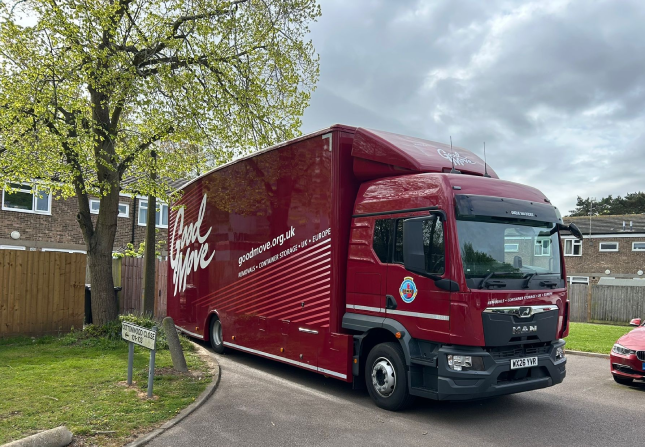
At GoodMove, we understand that for most of our customers, pets are simply part of the family, and that planning a move means planning around them too.
Our team has over 35 years of experience handling house removals across Essex, Suffolk, and Norfolk, and we are always happy to talk through how your moving day will work if you have pets in the house, from timings around your removal team’s arrival through to suggestions for local boarding if you need it.
If your move also involves a period between properties, our flexible home storage options can take the pressure off, giving you one less thing to manage while you focus on getting your pets settled.
Wherever you are moving to in Essex, from a flat in Colchester to a cottage near Sudbury or a family home out towards Chelmsford, our team is on hand to help make your move as smooth as possible, for every member of the household.
For a free, no-obligation quote, get in touch with the GoodMove team and let us know if pets are part of your move. We are always happy to help plan around them.
Frequently Asked Questions About Moving with Pets in Essex
Do I need to tell my removal company if I have pets?
It is a good idea to mention it when you book, particularly if you need extra time, flexibility around access, or advice on timings. It also means your removal team knows to keep doors and gates closed if a pet is being kept in a separate room on the day.
How soon should I update my pet’s microchip details after moving?
As soon as possible, ideally before moving day itself if you already know your new address. Outdated microchip details are one of the most common reasons vets and rescue centres cannot reunite lost pets with their owners.
Is it safe to let my cat outside straight away in a new home?
It is best to wait. Most veterinary and welfare guidance recommends keeping cats indoors for two to three weeks after a move, so they have time to settle before exploring outdoors.
What is the best way to keep a dog calm during the actual move?
Where possible, arrange for family, a trusted neighbour, or a local kennel to look after your dog elsewhere for the day. If this is not possible, a quiet room away from the main activity, with familiar bedding and toys, is the next best option.
Are there good dog walking spots near Colchester and the wider Essex area?
Yes, Essex has plenty of choice. The Wivenhoe Trail, Hatfield Forest, Cudmore Grove Country Park, and Hylands Park near Chelmsford are all popular, well-established options for dog walkers settling into a new area.